Run‑Flat Tyre vs Standard Tyre: Structure, Load and Cost Compared
Buyers often ask whether a run‑flat tire is simply "a normal tire with thicker rubber". The answer is no — the two products differ in structure, weight, mounting requirement, repair policy and cost. Understanding these differences helps tire distributors advise their retail customers correctly and avoid after‑sales disputes.
Structure. A standard passenger tire relies on compressed air to carry the vehicle load; the sidewall is relatively thin and flexible. A run‑flat tire has a reinforced self‑supporting sidewall plus a strengthened bead. Under zero pressure the sidewall becomes the load‑bearing element, which is why the sidewall is visibly stiffer when you press it by hand.
Weight and rolling resistance. Because of the extra reinforcement, RFT tires are heavier than standard tires of the same size — typically several kilograms more per piece, which is why container loading quantity per size is lower. The stiffer sidewall also brings slightly higher rolling resistance and a firmer ride, so vehicle suspension matching matters.
Safety benefit. The main advantage appears after a puncture or sudden pressure loss: the car can continue at limited speed for a limited distance instead of stopping on a shoulder. Vehicles delivered without a spare tire and without a jack rely exactly on this capability.
Mounting requirement. Run‑flat tires need rims with a suitable bead profile, and proper mounting equipment. A standard rim may allow the bead to slip at zero pressure, cancelling the whole benefit. Always confirm rim compatibility with the customer before shipping.
Repair policy. Minor tread punctures can sometimes be repaired under strict conditions (small hole, correct repair method, no sidewall damage, no run at zero pressure). Once the tire has been driven while flat, internal structure may be damaged even if it looks normal, and the tire should be replaced rather than repaired. This is a point every dealer must explain to end users.
Noise and comfort. The stiffer sidewall transmits more road vibration and can produce slightly higher noise. Premium RFT products optimize the compound and internal layout to reduce this.
Market positioning. RFT is a premium replacement segment: higher unit value, customer loyalty to the vehicle's original specification, and growing demand in markets importing cars without spare tires.
Our RFT program covers 16–20 inch sizes, XL load, V/W/Y speed ratings. Contact us for pattern catalog, weight and container loading data for your market.
Recently Posted
-
What Is a Run‑Flat Tire and How Does It Work
November 27, 2026Run‑flat tires, also called RFT, zero‑pressure tires or "burst‑proof" tires, are a special category of passenger car tires that can keep the vehicle running safely for a limited distance after a sudden loss of air pressure. Instead of stopping on the highway in a dangerous situation, the driver can continue to the nearest service station.The core difference from a normal tire lies in the sidewall. A run‑flat tire usRead More -
Puncture Resistant OTR Tyre for Quarry
November 27, 2026Quarry environment is full of sharp broken stones, which easily cut ordinary off-road tires. Our quarry OTR tyre adds anti-cut protection layer on tread and sidewall, improving puncture resistance obviously. It reduces frequent tire replacement and production stop loss for quarry operators. This model is one of our best-selling OTR items for stone quarry customers. If you supply spare parts for quarry busiRead More -
OTR Tyre Maintenance for Longer Working Life
November 25, 2026OTR tyres work in extremely harsh environments such as quarries, construction sites and mines. Sharp rocks, heavy repeated loads and continuous long-hour operation accelerate wear, cuts and cracking. Proper daily maintenance can effectively extend tire service life, reduce unexpected downtime and cut the overall equipment operating cost for contractors and mine operators.The first check point is tire pressure. OTR tire pressuRead More -
Excavator OTR Tyre for Construction Site
November 25, 2026Wheel excavator OTR tyres need flexible grip on uneven construction ground. Our excavator OTR tyre adopts special block tread pattern to balance traction and self-cleaning performance, preventing mud stuck between tread blocks. It fits wheel-type excavators for road construction, municipal works and farm land development. We supply multiple excavator OTR sizes for equipment spare part wholesalers. MessageRead More

Contact Us
Recommended Products
-
 ROLLMAX RUBBER WHEEL 18X4,17X4...US$ 18.4MOQ: 100 Pieces
-
ROLLMAX RUBBER TRUCK TYRE 10.00R20 For Bangladesh MarketUS$ 173.65MOQ: 100 Pieces
-
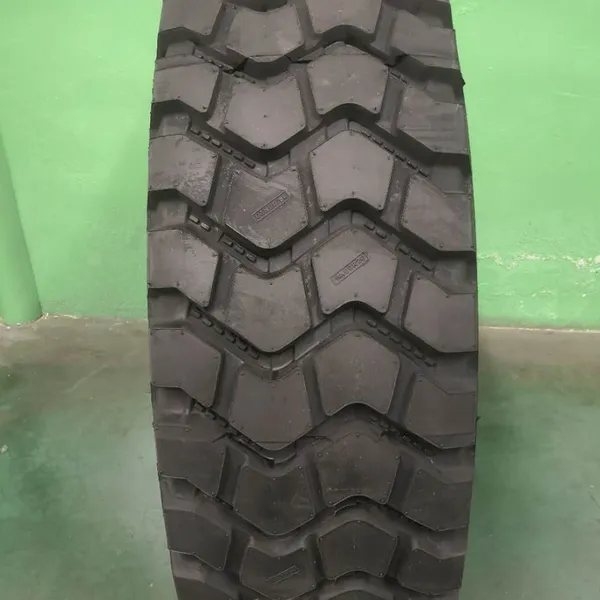
ROLLMAX RUBBER OTR TYRE 14.00R20US$ 321.7MOQ: 30 Pieces
-
ROLLMAX RUBBER OTR TYRE 14.00R20US$ 381MOQ: 30 Pieces
-
ROLLMAX RUBBER OTR TYRE 14.00R20US$ 331.7MOQ: 30 Pieces
-
ROLLMAX RUBBER TRUCK TYRE 315/80R22.5US$ 120MOQ: 100 Pieces
-
ROLLMAX RUBBER TRUCK TYRE 295/75R22.5US$ 107MOQ: 100 Pieces
-
ROLLMAX RUBBER TRUCK TYRE 295/75R22.5US$ 103.8MOQ: 100 Pieces
-
ROLLMAX RUBBER TRUCK TYRE 12.00R20US$ 151.9MOQ: 100 Pieces
-
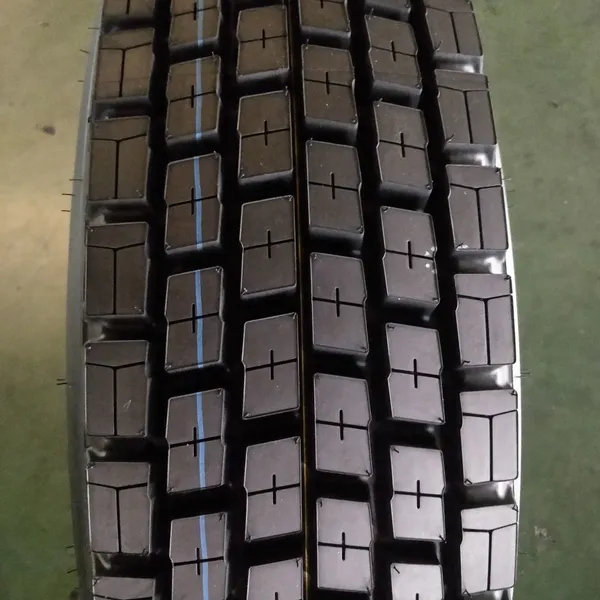
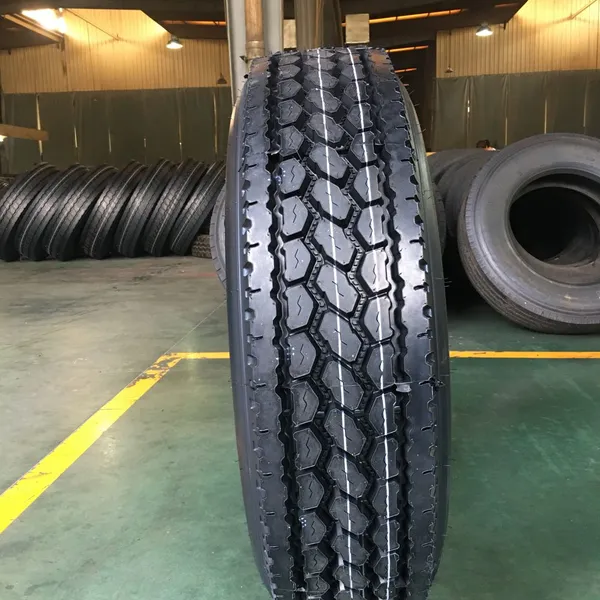
ROLLMAX RUBBER TRUCK TYRE 12.00R20US$ 154MOQ: 100 Pieces
-
ROLLMAX RUBBER TRUCK TYRE 12.00R20US$ 173.3MOQ: 100 Pieces
-
ROLLMAX RUBBER TRUCK TYRE 12.00R20US$ 170.1MOQ: 100 Pieces
-
ROLLMAX RUBBER TRUCK TYRE 12.00R20US$ 145.52MOQ: 100 Pieces
-
ROLLMAX RUBBER TRUCK TYRE 8.25R16LTUS$ 75MOQ: 100 Pieces
-
ROLLMAX RUBBER TRUCK TYRE 315/80R22.5US$ 104MOQ: 100 Pieces
-
ROLLMAX RUBBER TRUCK TYRE 7.50R16LTUS$ 64.2MOQ: 100 Pieces
-
ROLLMAX RUBBER TRUCK TYRE 255/70R22.5US$ 78.3MOQ: 100 Pieces
-
ROLLMAX RUBBER TRUCK TYRE 295/80R22.5US$ 109MOQ: 100 Pieces
-
ROLLMAX RUBBER TRUCK TYRE 295/80R22.5US$ 109.1MOQ: 100 Pieces
-
ROLLMAX RUBBER TRUCK TYRE 235/75R17.5US$ 57.68MOQ: 100 Pieces